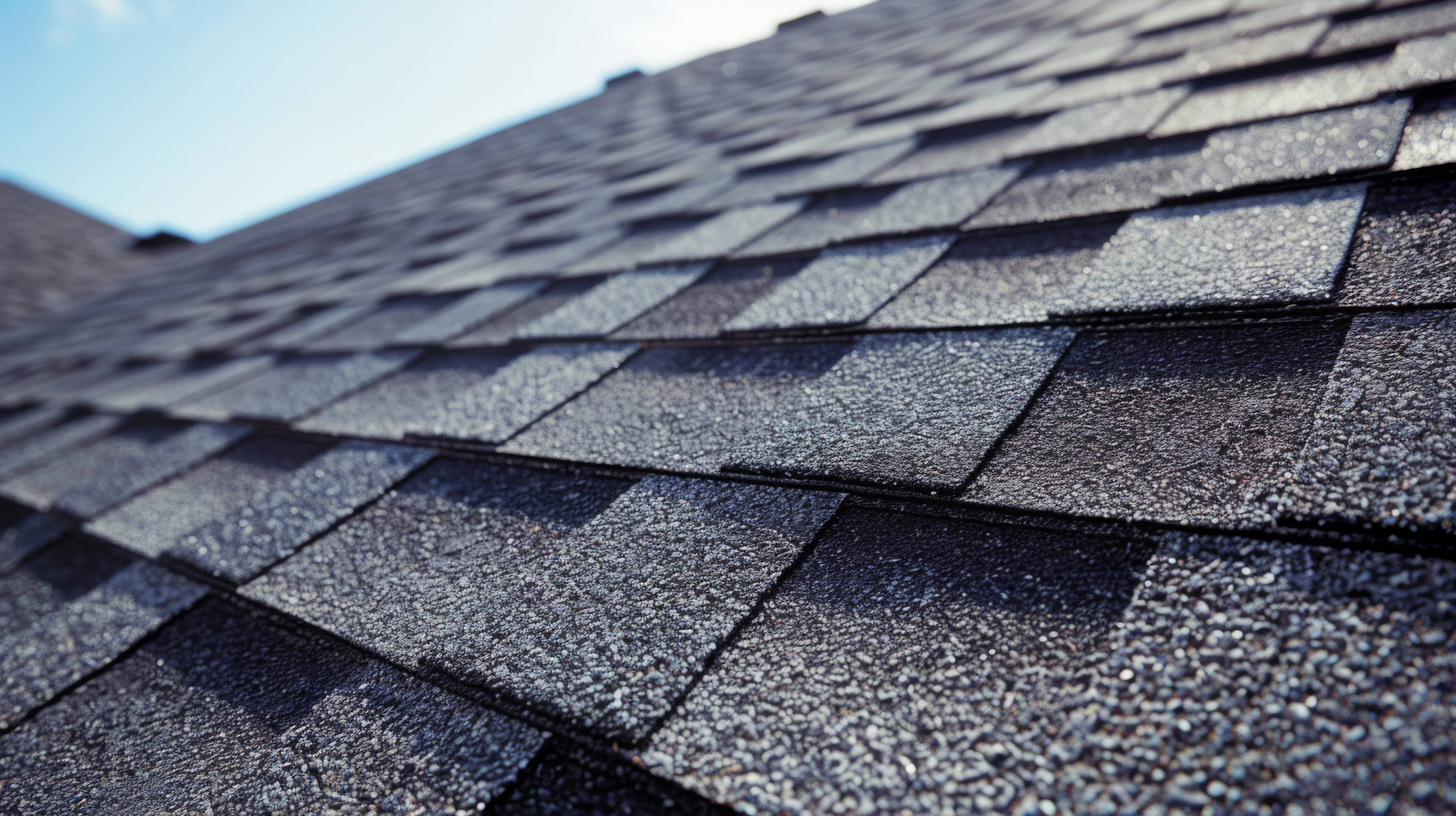
A shingle roof is only as good as the crew that installs it. Proper deck prep, correct nail patterns, sealed valleys, and manufacturer-spec underlayment are the difference between a roof that handles Texas weather for decades and one that starts failing in years.

Snapshot
Category
Roofing
Focus
Service planning
Next step
Consultation
Overview
Your roof is your home’s first line of defense — shortcuts kill it early.
Texas throws everything at your roof — triple-digit heat, golf-ball hail, straight-line winds, and driving rain. Architectural shingles can handle all of it when the installation is done right. That means full tear-off, damaged decking replaced (not covered over), ice-and-water shield in valleys and at eaves, and starter strips and ridge caps per manufacturer spec. We don’t layer over old roofs and we don’t skip the details that matter.
What a good shingle roofing plan should cover
Full tear-off and deck inspection — no layovers
We strip the old roof to inspect every inch of the deck. Damaged or rotted plywood gets replaced before anything new goes on. Layering over old shingles hides problems and voids most warranties.

Ice-and-water shield where it matters most
Self-adhering membrane goes at eaves, valleys, and around every penetration — the spots where water damage starts. Some contractors skip it. We don’t.
Manufacturer-certified installation protects your warranty
Shingle warranties have installation requirements. If your contractor doesn’t follow them, the warranty means nothing. Certified installation means the manufacturer stands behind both materials and labor.
How shingle roofing should be approached
1
Inspect existing layers, choose your shingles, and pull permits
We check for existing layers (Texas code limits how many you can have), assess deck condition from the attic side, and document any visible damage. You pick the shingle line — color, style, wind rating, impact resistance, and warranty tier. We pull permits and lock in your install date.
2
Full tear-off, replace damaged decking, then underlayment and flashing
Every old shingle comes off — no layovers. The deck gets inspected plank by plank; rotten or delaminated OSB is replaced. Ice-and-water shield goes at eaves, valleys, and every penetration. Synthetic underlayment covers the rest. Drip edge at eaves and rakes, step flashing at walls — all before a single shingle goes on.
3
Install to manufacturer nail pattern, finish ridge ventilation, and magnetic sweep
Shingles go on with the manufacturer’s required nail count, spacing, and exposure. Starter strips at eaves and rakes. Ridge cap with proper ventilation to prevent attic heat buildup. We walk every inch, run a rolling magnet across your yard and driveway for stray nails, haul all debris, and do a final walkthrough with you.
Shingle Roofing questions


Talk to an advisor
The goal is a clearer recommendation, a cleaner plan, and the right conversation first.