Whether the issue is the roof, the insulation, the HVAC, or all three, then build a plan that actually lowers bills instead of just adding panels and hoping for the best.

What we do
We help homeowners determine what's next for their home.
Snapshot
Best for
High bills + aging homes
Focus areas
Solar, Roofing
How to start
Free consultation
Service categories
What we help with
Everything here is about one thing: lowering energy waste, improving comfort, protecting your home, and helping you figure out the right order to tackle it all.

Find the waste first
Energy AuditsYour electric bill isn’t lying — your house is losing energy somewhere. An energy audit uses blower door testing, thermal imaging, and duct diagnostics to find every leak, gap, and failure so you know exactly what to fix and in what order.
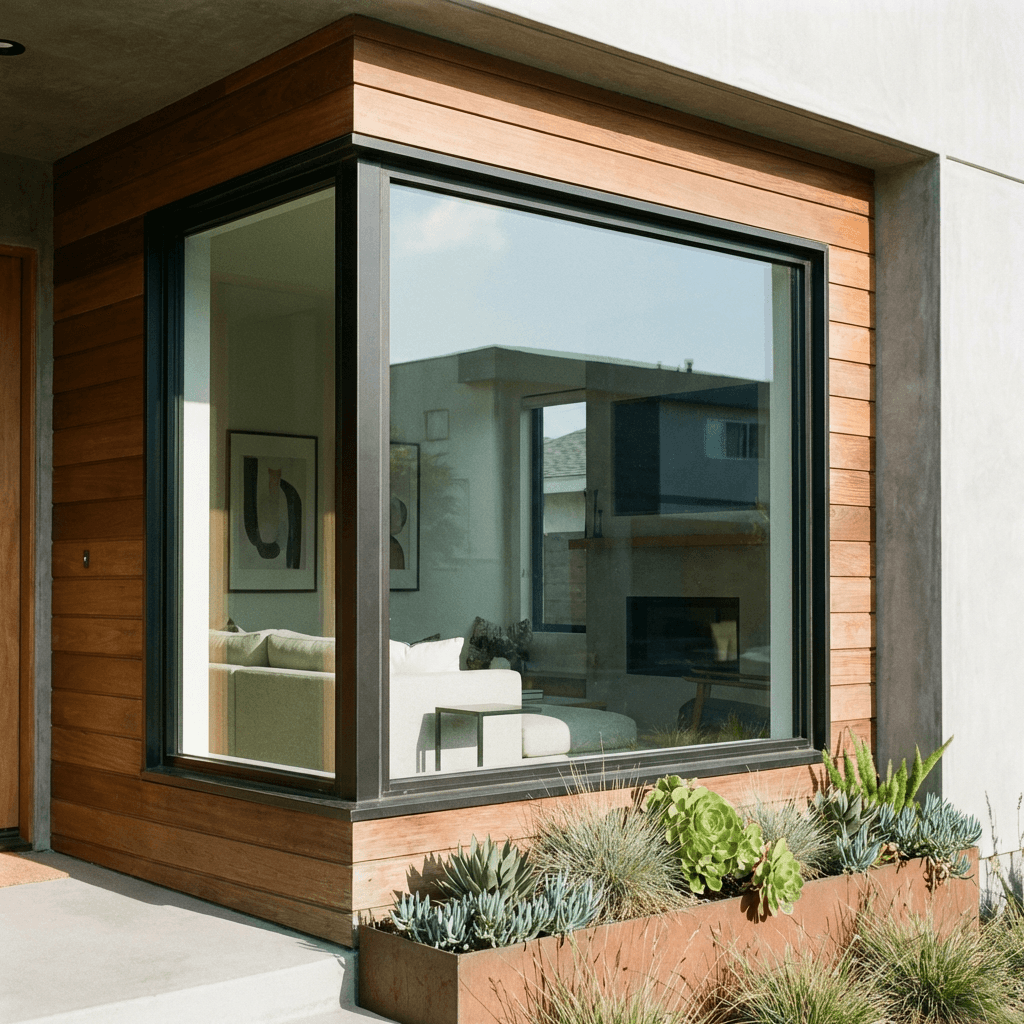
Reduce heat gain and loss
Window ReplacementStand next to any window in your house on an August afternoon. Feel that heat radiating in? Single-pane windows do almost nothing to stop it. Low-E, double-pane replacements cut heat gain, reduce UV damage, and make your AC’s job dramatically easier.
Generate and store power
Solar and Battery InstallationsEvery day, the Texas sun dumps thousands of watts onto your roof for free. Solar panels convert that into electricity you use, store, or send back for credit. Add a battery, and you have power when the grid goes down.

Roofing Services
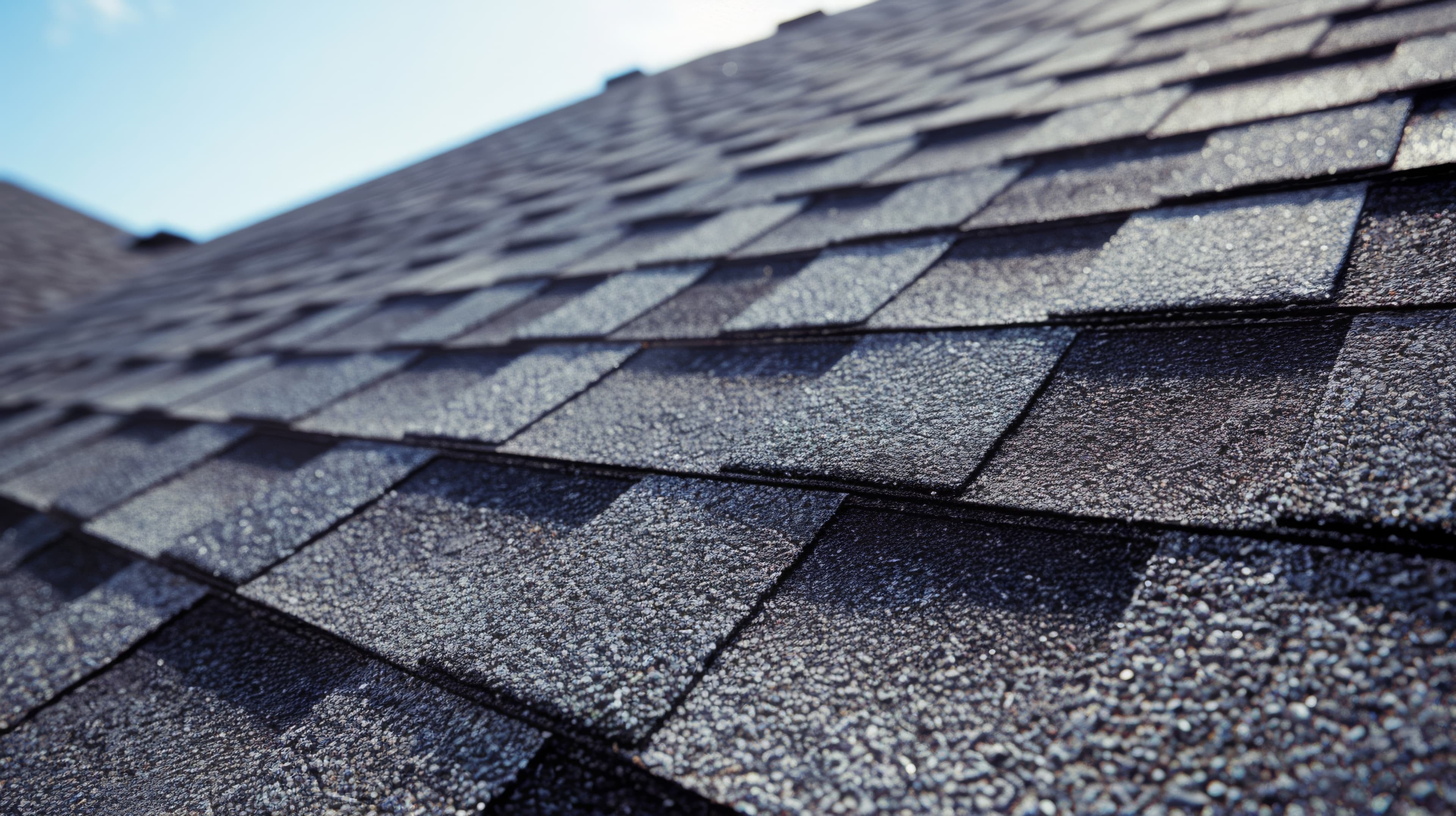
Shingle Roofing
Architectural shingles handle Texas heat, hail, and wind — if they’re installed correctly. Full tear-off, deck inspection, ice-and-water shield in the valleys, and manufacturer-spec nail patterns are the difference between a roof that lasts 30 years and one that leaks in 5.

Metal Roofing
Metal roofs last 2–3x longer than shingles, reflect solar heat to lower cooling costs, and stand up to wind and hail that would total a standard roof. Higher upfront — dramatically lower over the life of your home.
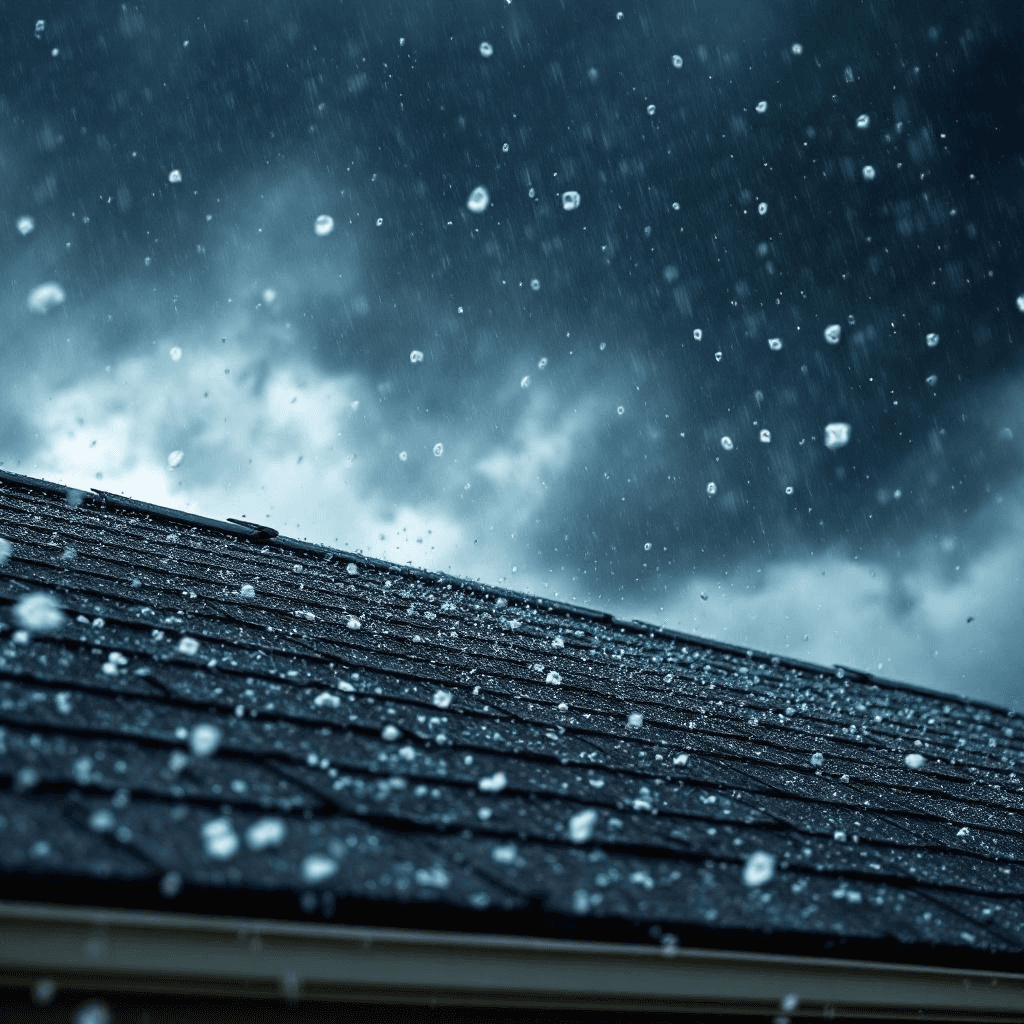
Storm Damage Restoration
When a storm hits, you need someone who documents the damage the way insurance expects, meets the adjuster on your roof, and makes sure the plan covers what actually needs to happen — not just what’s fastest.

Detach and Reset
Need a new roof but have solar panels? We safely remove, label, store, and reinstall your system — with fresh flashings and verified production — so your equipment, warranty, and investment come through intact.

Commercial Roofing
Commercial roofs face different challenges: larger spans, flat or low-slope designs, rooftop equipment, and the need to keep your business running during the work. We handle the complexity — phased, permitted, and warrantied.

Hail & Wind Damage Roof Inspection
You can’t see hail damage from the ground. Cracked shingles, dented flashing, and stripped granules only show up on close inspection. If a storm came through your area, a professional inspection tells you what you’re dealing with before it turns into water damage.
Questions we hear first

Not sure which service you need?
Tell us what's happening at the house: a leak, a high bill, hail, or a solar project. We'll point you to the right fix and give you a number.