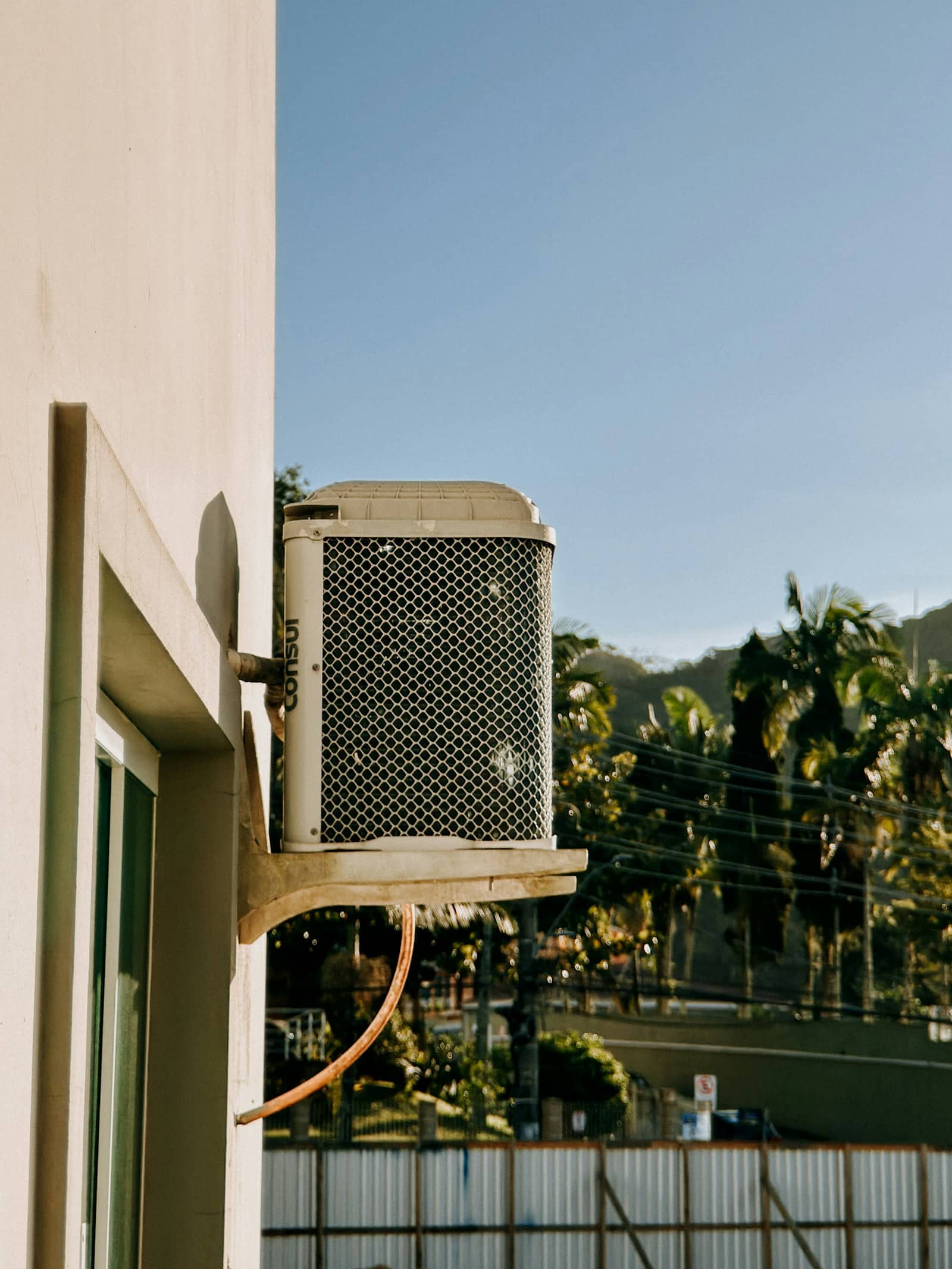
A heat pump does the job of both your AC and furnace but uses significantly less energy. For Texas homeowners dealing with sky-high summer bills and short, mild winters, it’s one of the highest-ROI comfort investments you can make.

Snapshot
Category
Equipment planning
Focus
Modernize heating and cooling
Next step
Consultation
Overview
One system that heats and cools — for a fraction of what you’re paying now.
Your current setup probably has a furnace for winter and an AC for summer — two separate systems, neither one particularly efficient. A heat pump replaces both. In summer it pulls heat out; in winter it reverses and pulls heat in. Because it’s moving heat instead of generating it, it uses 2–3x less energy than a traditional furnace.
What a good heat pump upgrades plan should cover
2–3x more efficient than traditional furnaces
A gas furnace burns a dollar of gas to make a dollar of heat. A heat pump spends a dollar of electricity to move three dollars of heat. The efficiency gap is real and shows up on every bill.
Current incentivess and utility rebates available
The Inflation Reduction Act offers up to $2,000 in tax credits for qualifying installations. Texas utilities often add rebates on top. We help you identify every incentive you qualify for.
Variable-speed models eliminate hot and cold spots
Modern variable-speed heat pumps adjust output continuously instead of cycling on and off. More consistent temperatures, lower humidity in summer, and quieter operation.
How heat pump upgrades should be approached
1
Run a Manual J load calculation to size the system to your actual house
Square footage alone doesn’t determine the right system — insulation levels, window area, orientation, duct condition, and occupancy all factor in. A Manual J calculation accounts for all of it and gives a precise BTU load. Skipping this is how you end up with an oversized system that short-cycles, strips humidity poorly, and wears out early.
2
Remove old furnace and AC, install heat pump with proper refrigerant line sizing
The old equipment comes out. The new heat pump outdoor unit and air handler go in per manufacturer spec. Refrigerant lines are brazed (not flared), ductwork connections adjusted for the new system’s airflow requirements, and the electrical circuit is wired to code with a disconnect at the outdoor unit.
3
Commission the system: verify charge, measure static pressure, check every register
Refrigerant charge is verified using superheat and subcooling measurements — not just pressure. Total static pressure is measured to confirm the duct system can handle the new equipment. Airflow is checked at every register.
Heat Pump Upgrades questions
Talk to an advisor
The goal is a clearer recommendation, a cleaner plan, and the right conversation first.