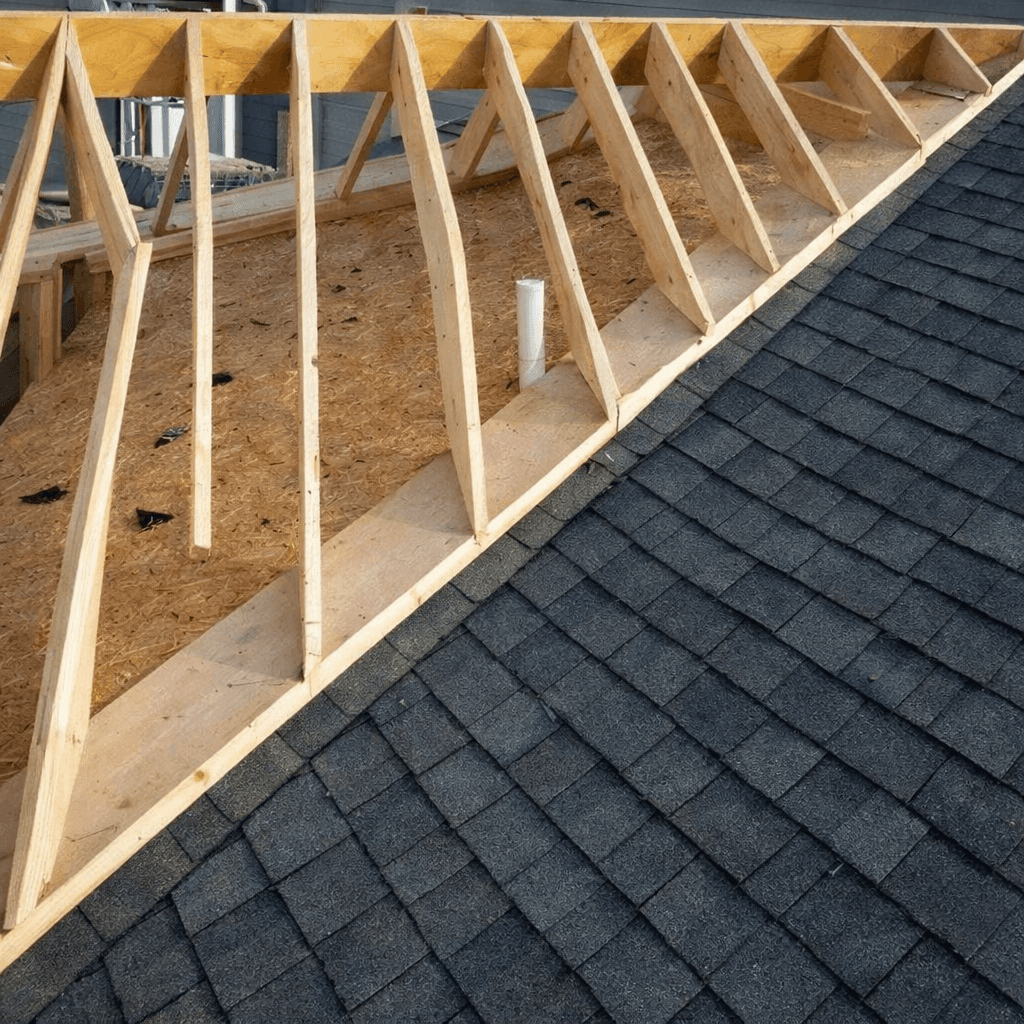
Roofing crew working on a residential roof during a solar detach-and-reset project
Guide 04

What happens to solar panels when the roof needs replacing

If you already have solar and the roof underneath needs work — whether from age, storm damage, or an insurance claim — the panels have to come off before roofing can start and go back on after. That process is called a detach and reset. It sounds straightforward, but the coordination, cost, timeline, and warranty details matter more than most homeowners expect.
Snapshot
Focus
Panel removal and reinstall
Reading time
12 min
Common trigger
Storm damage or aging roof

Share this guide:

Why this matters

A detach and reset done wrong can void warranties, damage equipment, or delay the whole project by weeks.

The panels themselves are usually fine — they are built to last 25 to 30 years and can handle being removed and reinstalled. The risk is in how the work is coordinated. If the solar company and roofing crew are not working from the same timeline, panels sit on the ground longer than necessary. If racking penetrations are not properly resealed on the new roof, leaks develop at the very points that are supposed to be watertight. If electrical disconnects are handled carelessly, inverters or wiring can be damaged. And if nobody checks whether the original solar warranty survives the removal process, the homeowner may discover after the fact that their 25-year panel warranty is no longer honored.

In Texas, where hail damage triggers thousands of roof replacements every spring and summer, this is not an edge case — it is one of the most common solar-and-roofing coordination scenarios in the state. The Texas Department of Insurance reports that hail and wind claims make up the majority of homeowner insurance claims statewide. A significant number of those roofs have solar on them, and that number grows every year.

The homeowners who come through the process cleanly are the ones who understand the steps, get the coordination in writing, and make sure warranty and insurance questions are answered before the first panel comes off the roof — not after.

How the detach-and-reset process works

1
Step 1: The solar system gets de-energized and disconnected
A licensed solar technician shuts the system down following manufacturer-specified procedures, disconnects it from the grid, and ensures all DC and AC circuits are safe before any physical removal begins. This typically includes notifying the utility of the temporary disconnection. This is not something the roofing crew should handle — solar panels produce DC voltage whenever exposed to light, and improper handling creates real electrical hazard.
2
Step 2: Panels, racking, and conduit are removed and stored
Panels come off the roof one at a time, along with the racking system, flashing, and any conduit that runs across the roof surface. Each panel should be labeled for reinstall position, inspected for pre-existing damage, and stored safely on site — ideally on padded racks or in a protected area away from construction debris. A detailed inventory with photos protects both the homeowner and the solar contractor.
3
Step 3: The roof is replaced or repaired
Once the panels and racking are clear, the roofer has full access. New underlayment, any necessary decking repairs, and new roofing material go down. The roofer should know exactly where the racking penetrations were located and plan flashing around the reinstall points. If the roofing and solar companies are coordinating, the roofer can pre-install flashing boots or standoff bases per the solar company's specifications — saving time on the reinstall.
4
Step 4: Solar is reinstalled on the new roof
The solar crew returns to remount racking, replace any hardware that cannot be reused — lag bolts, flashing, and weatherproofing components are typically replaced with new material — and reinstall panels in their original or optimized positions. New roof penetrations are properly sealed and flashed. The system is reconnected, re-energized, and tested to confirm production matches pre-removal output.
5
Step 5: Inspection, reconnection, and monitoring verification
Depending on your jurisdiction, the reinstall may require a permit and inspection — many Texas municipalities treat it the same as a new installation. The system gets reconnected to the grid, the utility is notified, and monitoring is verified to confirm all panels are producing as expected. This is also the time to confirm warranty status with the solar panel and inverter manufacturers in writing.

Details that protect your investment during a D&R

Understand the cost before work begins
A detach and reset is a separate line item — typically $2,000 to $5,000 for a standard residential system, depending on system size, roof complexity, and whether any equipment needs replacement. It is not included in the roofing bid and not typically covered under the original solar contract. Get an itemized quote from the solar company before approving the roofing project.
Check your solar warranty before anyone touches the system
Some manufacturers require the original installer or a certified partner to perform removal and reinstallation for the warranty to remain valid. Others accept any licensed solar contractor with documentation. If an uncertified crew handles the work, the panel and inverter warranties may not survive. Contact the manufacturer directly to confirm their requirements before the project starts.
Document equipment condition before and after
Every panel should be photographed and its serial number recorded before removal. After reinstall, production monitoring should confirm the system is performing at or near its pre-removal output within the first week. Any decline in production should be investigated immediately — it could indicate a damaged panel, a wiring issue, or an inverter problem introduced during the process.

Cost range

What a detach and reset typically costs by system size

D&R pricing scales with panel count and system complexity. These are typical ranges for Austin-area projects. Costs include removal, secure storage, reinstallation, and re-inspection.

Typical Austin D&R pricing (2026)

Detach and reset questions homeowners ask most

Need a detach and reset?

Get a free consultation

We handle both sides of the project — roofing and solar — so the timeline, scope, and warranty details are managed under one roof. Reach out to get the D&R process started before scheduling your roofer.